
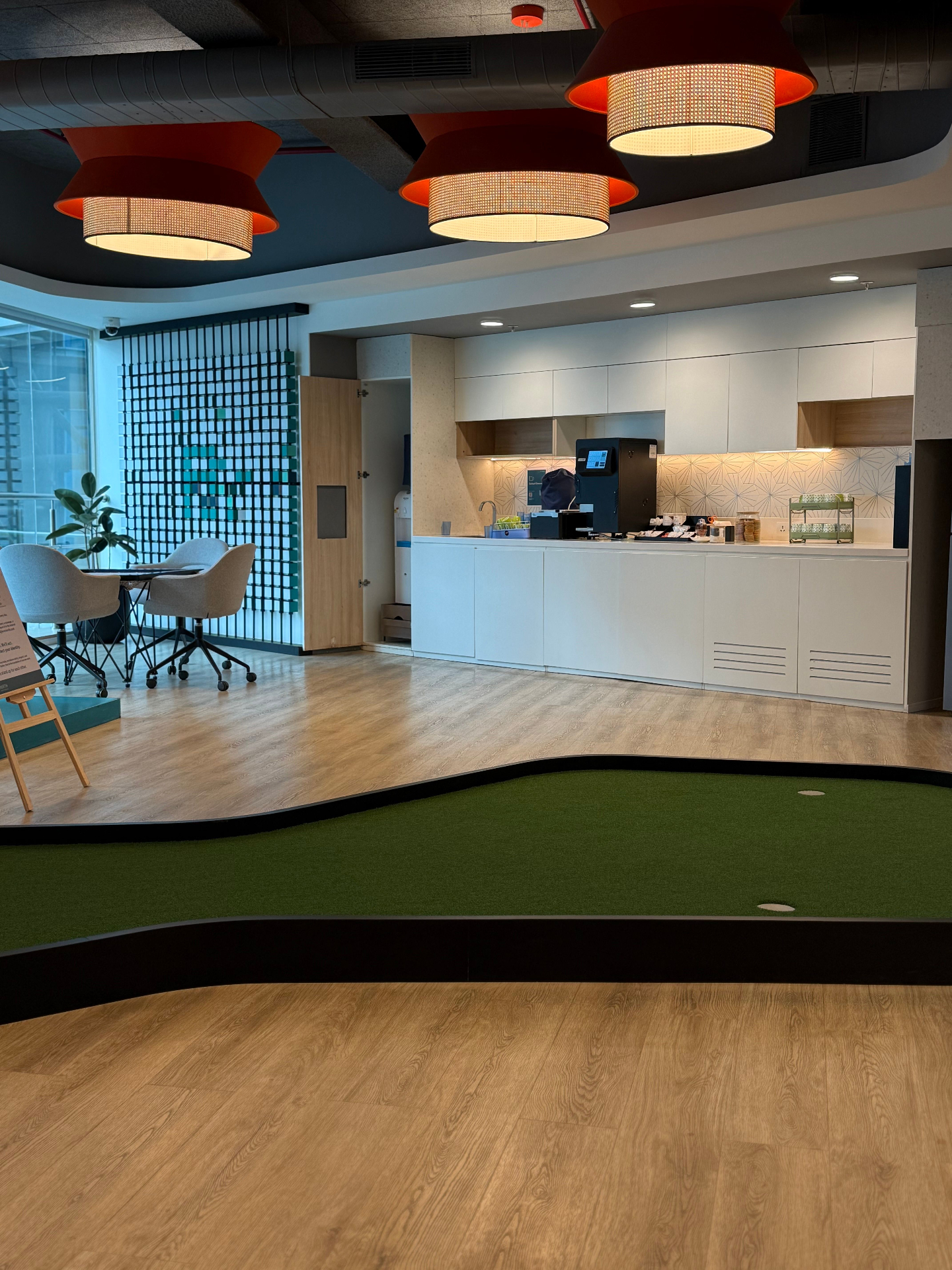
Indoor Mini Golf
Course Design & Construction
Indoor mini golf solves a problem outdoor courses can't: it runs every single day of the year, regardless of heat, monsoon, or dust — which matters enormously in Indian conditions where outdoor leisure attractions lose entire seasons to weather.
Mini Golf India designs and builds indoor mini golf courses engineered for exactly this — compact footprints, high footfall durability, and layouts that work within existing commercial spaces rather than requiring a purpose-built shell.
Why Indoor Mini Golf Makes Business Sense
Indoor mini golf isn't just a smaller version of an outdoor course — it's a different business tool, and the reasoning behind it matters more than the format itself.
Malls & Retail Spaces
An indoor mini golf course gives shoppers a reason to extend their visit — more time near food courts, more time near retail, and more repeat visits from families who come because there's something to do, not just buy.
Hotels & Resorts
An indoor course is a guest amenity that works regardless of season, time of day, or weather — ideal for properties with limited outdoor space or where heat and monsoon make outdoor courses unusable for months.
Entertainment Centers
Indoor mini golf pairs naturally with bowling, arcade, and other attractions already drawing footfall, turning a visit into a longer, more valuable experience.
In all three cases, the same underlying logic applies: indoor mini golf converts available square footage into dwell time, and dwell time into revenue — whether that's direct (ticketing) or indirect (increased spend elsewhere on the property).
What Makes Indoor Course Design Different
Designing for an indoor space isn't simply "the outdoor design, but smaller." It comes with its own specific constraints and decisions.
Working Within an Existing Shell
Indoor courses almost always fit within existing architecture — ceiling height, columns, fire exits, HVAC, and existing flooring all shape what's possible. We design around the space you have.
Space-Efficient Hole Design
Every square foot has to earn its place. Hole design delivers genuine challenge and visual interest within a tighter footprint than outdoor courses use for the same number of holes.
Surface Choice for High Indoor Footfall
Indoor surfaces face constant traffic in climate-controlled environments, so the surface and sub-structure decisions prioritize durability under continuous use over weather resistance.
Lighting & Visual Design
Without natural greenery, open sky, or water features, indoor courses rely on deliberate lighting, color, and thematic detail to create atmosphere and immersion.
Noise & Flow in Shared Spaces
In a mall or retail environment, the course exists alongside other tenants and foot traffic. Layout and acoustic considerations matter more than on standalone outdoor sites.
Where Indoor Mini Golf Works Best
Shopping Malls & Retail Centers
Footfall and dwell-time drivers alongside other entertainment tenants.
Hotels & Resorts
Year-round guest amenities independent of weather and season.
Family Entertainment Centers (FECs)
Paired with bowling, arcade, and other indoor attractions.
Corporate & Office Campuses
Recreational amenities for employees and visitors.
Standalone Entertainment Venues
Primary or secondary attractions in urban locations without outdoor space.
Indoor vs. Outdoor — Which Should You Build?
Many resort and hotel clients end up building both — an outdoor course as the destination feature, and a smaller indoor course for guaranteed year-round play regardless of weather. If you're not sure which fits your site, our consultancy service can help you work through that decision before committing to either.

Our Indoor Design & Build Process
Site & Space Assessment
Reviewing the existing shell, ceiling height, columns, and access constraints.
Concept Design
Layout and theming designed specifically for the available footprint.
Detailed Drawings & BOQ
Working drawings adapted to indoor construction requirements.
Construction
Materials and methods suited to high indoor footfall and climate-controlled environments.
Lighting & Final Theming
The finishing pass that gives an indoor course its atmosphere.
Handover
O&M guidance specific to indoor operation and upkeep.
Why Choose Mini Golf India for Indoor Projects
Real construction expertise inside commercial spaces
Not just open-land builds adapted after the fact.
In-house design and build team
Space constraints get solved at the design stage, not discovered mid-construction.
Experience with mall, hotel, and FEC environments
Where shared-space considerations matter.
Custom layouts for every site
No generic, one-size-fits-all indoor kit.
Pan-India delivery
Coordinated around your property's operational timelines.
Ready to Build an Indoor Mini Golf Course?
Talk to our team about your space, footfall, and goals. We'll help you decide whether indoor, outdoor, or a combination is the right fit for your property.